


If you normally use LinkedIn for job hunting or professional networking, China can feel confusing at first. There is no single local app that copies LinkedIn feature for feature. People often use one platform to research employers, another to apply for jobs, and WeChat to stay in touch once they have actually met someone.

If you want the closest Chinese alternative to LinkedIn, I would start with Maimai (脉脉). It combines professional profiles, networking, workplace discussion, company information, recruitment, and job listings. Maimai currently describes itself as a professional community and job-search platform used by 120 million professionals.
The experience still feels different from LinkedIn. On LinkedIn, you see plenty of job changes, company announcements, career posts, and polished professional updates. On Maimai, workplace conversation is much more visible. People discuss salaries, interviews, layoffs, managers, company policies, job offers, and what it is actually like to work inside a particular team.
That difference is useful if you are considering a job in China. You can research a company before applying, compare what employees say with the official job description, and learn the Chinese terms people use when they talk about pay and working conditions.
Maimai is the closest match to LinkedIn, but I would not stop there. BOSS Zhipin is built heavily around direct communication between job seekers and recruiters. Zhaopin and Liepin are established recruitment platforms. WeChat becomes useful once a conversation moves beyond a job board or professional community.
Best Chinese version of LinkedIn

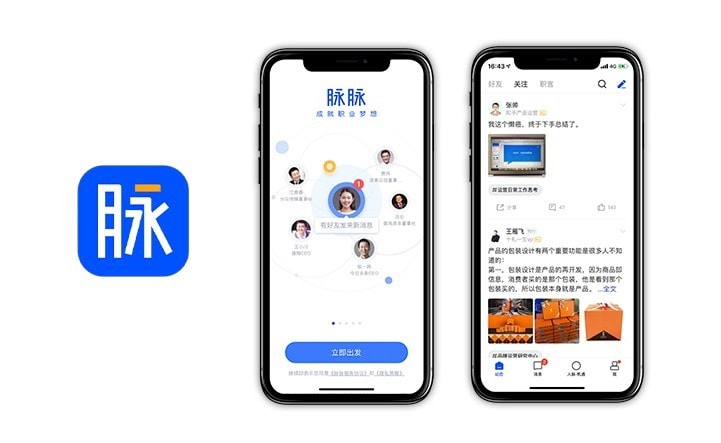
Maimai is the closest Chinese equivalent to LinkedIn, especially if your goal is to understand companies and connect with people who work in your field. You can build a professional profile, search for people and companies, read workplace discussions, follow career topics, and look for jobs.
Start with the Chinese version of your job title. If you search only in English, you may miss a large part of the local conversation. A product manager can search 产品经理. A software engineer can use 软件工程师. Marketing roles often appear under 市场 or 市场营销, while 运营 is commonly used for operations roles.
The same applies to company names. Many international brands have a Chinese name, and Chinese companies may use different English and Chinese names. Search both. If I were researching a company before an interview, I would look up the company name on Maimai, then search the name together with terms related to salary, interviews, overtime, benefits, and layoffs. You do not need to treat every anonymous comment as fact, but repeated comments can give you questions to raise during the interview.
Keep your profile specific. A line such as “digital marketer passionate about growth and innovation” tells a recruiter very little. A description such as “SEO manager with six years of experience in ecommerce and SaaS, covering Hong Kong, Singapore, and mainland China” is easier to understand. Add the companies you have worked for, your actual responsibilities, and results you can support.
Contact people with a reason. If you already know former coworkers, classmates, clients, suppliers, or people in the same industry, start there. When you message someone you have never met, explain why you are contacting them. A short note such as “I saw that you work in ecommerce at Company X. I am researching similar roles in Shenzhen and wanted to ask how large the marketing team is” gives the person enough context to decide whether to reply.
Use Maimai for research as well as job hunting. The platform can be useful even when you are not actively applying. Salary discussions can help you understand how compensation is described locally. Interview posts can show the types of questions companies ask. Company discussions may tell you whether a role sits in a local team or reports to a regional office.
If you are actively applying, check other recruitment platforms too. BOSS Zhipin is especially useful when you want to contact recruiters directly. Job listings often show a monthly salary range, required experience, degree requirement, and benefits. A listing written as “20-30K·14薪,” for example, generally means a monthly range of RMB 20,000 to RMB 30,000 with 14 salary payments in the compensation structure. Ask the recruiter how the extra payments are calculated before treating them as guaranteed income.
You may see terms such as 双休, 五险一金, and 13薪. 双休 normally means two rest days each week, usually Saturday and Sunday. 五险一金 refers to China’s standard social insurance programs plus the housing provident fund. 13薪 refers to a compensation structure with a 13th salary payment. The exact conditions can vary by employer, so confirm them during the hiring process.
Why LinkedIn shut down its local service in China

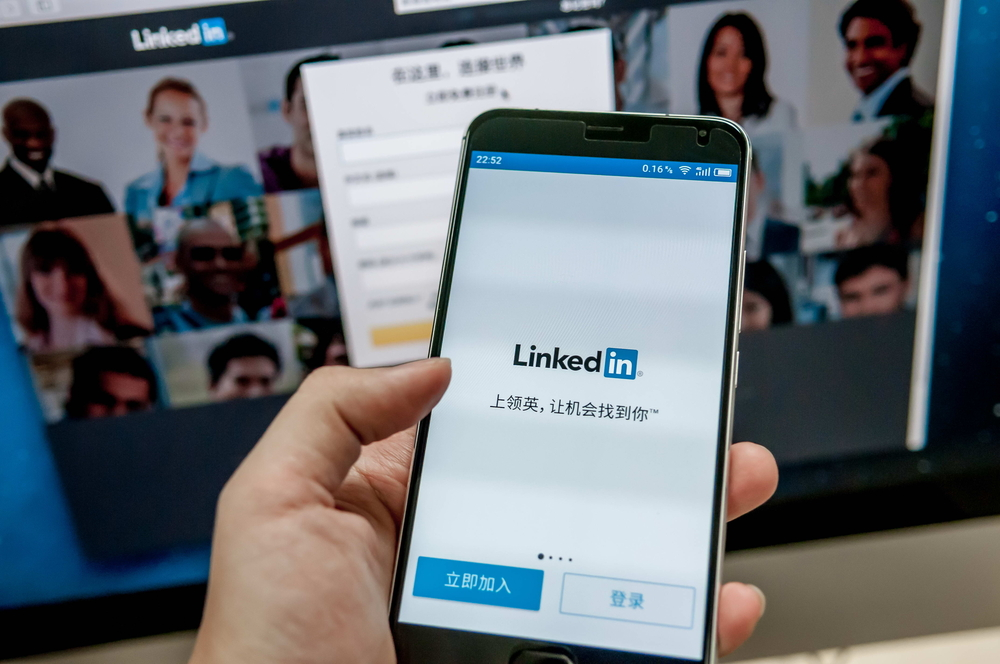
There is a lot of outdated information online about LinkedIn leaving China, including the old version of this article. LinkedIn did not leave the Chinese market in 2017.
In October 2021, LinkedIn announced that it would close the localized version of its social networking service in mainland China. The company said it was dealing with a more difficult operating environment and greater compliance requirements. It also said the localized service had been more successful at connecting people with jobs than at supporting the social parts of LinkedIn.
LinkedIn then introduced InCareer, a China-focused jobs app. InCareer kept job-search and recruiter functions but removed the normal social feed and the ability to share posts and articles in the same way LinkedIn users could elsewhere.
That product was later discontinued. LinkedIn announced in May 2023 that it would phase out InCareer by August 9, 2023, citing strong competition and difficult economic conditions. LinkedIn kept a business presence in China, with services aimed at helping China-based companies hire, market, and train internationally.
There was another change in 2025. LinkedIn said it would stop supporting self-service online job-post purchases for Chinese Mainland customers starting March 3, 2025. Its stated China strategy focuses on helping Chinese Mainland-based companies find and train international talent and market products or services overseas.
For someone trying to find a local role inside mainland China, this means LinkedIn no longer covers the same ground it does in many other countries. You can still keep your LinkedIn profile for international contacts and overseas opportunities, but local platforms deserve a separate place in your job search.
How professional networking works in China
You will probably hear the word guanxi (关系) when people talk about work and business in China. The literal idea is relationships or connections. In practice, it helps to think about the context behind a professional relationship rather than the number of names in your contact list.
A former coworker, university classmate, supplier, client, recruiter, or person you met at an industry event has a reason to remember you. A random contact request from someone with no introduction does not.
This is where WeChat becomes useful. WeChat is not a direct replacement for LinkedIn, but professional conversations often move there after an introduction, interview, event, or meeting. If someone adds you on WeChat, send a short message so they know who you are. “Hi, this is Vic. We met at the ecommerce event in Shenzhen today. Nice meeting you.” is enough.
That small message becomes useful later. If you contact the person again three months from now, they can scroll back and see where you met instead of trying to remember an unfamiliar profile photo.
Workplace hierarchy also deserves some attention, but avoid assuming every Chinese company works the same way. A state-owned company, a technology startup, and the China office of a multinational company can have very different communication styles. Seniority, age, and job title may affect how people speak in meetings or raise disagreements, but the degree varies by company and team.
The idea of mianzi (面子), usually translated as “face,” can affect workplace communication too. Publicly correcting or embarrassing someone may create more friction than raising the same issue privately. You can still be direct. Choose the setting carefully, especially when the person is more senior or when a disagreement involves several coworkers.
For online networking, the same basic rule works well: give people context. Say who you are, how you found them, and what you want to ask. Keep the first message short. If you are asking for advice, make the question narrow enough that the person can answer it in a minute or two.
Tips for Success on Chinese Professional Platforms
If you are setting up your first profile or starting a job search in China, I would keep the process simple:
- Write a profile people can understand quickly: Use your real job title, industry, years of experience, and a few results you can verify. “Managed SEO for five ecommerce websites” is more useful than “experienced digital professional.”
- Search in Chinese when possible: Learn the Chinese version of your job title and the Chinese names of the companies you want to research. Try the English version too, especially for multinational companies.
- Research before you apply: Read the official job description, then check what people say about the employer on Maimai. Look for repeated comments about interviews, team size, salary structure, working hours, and management. Treat individual anonymous posts cautiously.
- Use more than one platform: Maimai works well for professional discussion and company research. BOSS Zhipin, Zhaopin, or Liepin may have openings you will not see there. Keep LinkedIn for international roles and contacts.
- Send focused messages: “How large is the product team?” is easier to answer than “Can you tell me what working there is like?” A specific question also shows that you have done some research before contacting the person.
- Keep useful contacts on WeChat: After an interview, conference, business dinner, or introduction, add a note that reminds the person where you met. You do not need a long formal message.
- Confirm compensation details: Do not assume every number in a job listing works the way it would in your home country. Ask whether extra salary payments are guaranteed, how bonuses are calculated, whether the quoted range includes variable pay, and what benefits are included.
- Give relationships time: You do not need hundreds of new contacts in your first week. A smaller group of people who know what you do and why they know you will usually be more useful than a large list of strangers.
If I were moving to China for work today, I would keep LinkedIn active, build a Maimai profile, search BOSS Zhipin and the larger recruitment sites, and use WeChat once conversations become more direct. That combination covers more of the local hiring process than trying to find one perfect replacement for LinkedIn.
Conclusion
Maimai is still the closest Chinese alternative to LinkedIn, but the comparison only gets you part of the way. Chinese professionals often split networking, job hunting, company research, and private communication between several services.
Start with Maimai if you want to understand employers and meet people in your field. Add BOSS Zhipin, Zhaopin, or Liepin when you are actively looking for openings. Keep WeChat for people you have actually spoken with, and keep LinkedIn if international contacts or overseas roles are relevant to your work.
The most useful change you can make is also one of the simplest: search using Chinese job titles and company names. You will see more local discussions, more job listings, and more of the vocabulary Chinese employers use when they describe pay, experience, and benefits.